
Homemaking and Motherhood with Low Energy
Have you ever felt like motherhood and homemaking ask more of you than your body can reasonably give?
I’ve asked myself that question on countless ordinary days — days that weren’t dramatic or chaotic, just quietly exhausting. For a long time, I assumed the disconnect meant I was doing something wrong. That I needed better routines, more discipline, or a stronger will.
Living as a low-energy person has taught me something different: the problem isn’t that I’m failing at motherhood or homemaking — it’s that most versions of motherhood shown on social media give the appearance of needing boundless energy. By the end of this post, I hope you’ll feel less alone, less guilty, and more confident that a slower, gentler way of mothering and tending a home is not only valid, but deeply rewarding.
When Energy Is The Limiting Factor
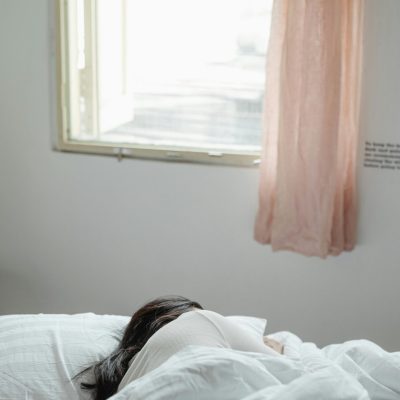
Low energy shapes everything. It shapes how mornings begin, how much can realistically fit into a day, and how quickly overwhelm sets in. Unlike temporary exhaustion, low energy doesn’t resolve with one good night’s sleep or a weekend off. It’s a baseline.
For a long time, I tried to work around that truth. I planned as if my energy would suddenly expand. I scheduled days that assumed I could push through discomfort. And when I inevitably couldn’t, I blamed myself.
What I’ve learned is that low energy isn’t a personal flaw. It’s a physical reality. And when motherhood enters the picture, that reality becomes impossible to ignore.
Grieving the Mother You Thought You’d Be
There is a quiet grief that comes with realizing your motherhood will not look the way you imagined. I thought I would be more active, more energetic, more capable of doing all the things I saw other mothers doing with ease.
Letting go of that imagined version of myself was painful. It felt like admitting defeat. But over time, I realized that clinging to an unrealistic standard only created resentment — toward my body, my home, and sometimes even my child.
Accepting low energy didn’t mean giving up on being a good mother. It meant redefining what goodness looked like in the context of my actual life.
Low Energy Is Not Laziness
This distinction matters more than almost anything else.
Low energy is often mistaken for laziness — by others, and by ourselves. When you live in a culture that equates worth with output, rest can feel like failure. But effort and capacity are not the same thing.
I can want to do more and still be unable to. I can care deeply and still need to stop. Low energy doesn’t reflect a lack of commitment. It reflects the limits of a body that deserves respect.
Learning to trust those limits has been one of the hardest and most freeing lessons of motherhood.

Motherhood at a Slower Pace
Motherhood with low energy looks quieter. Fewer outings. Fewer scheduled activities. More time at home. More repetition.
At first, I worried about what my child might be missing. I compared our days to fuller calendars and busier routines. But over time, I began to notice something else: my child didn’t need constant stimulation. They needed presence.
Slow days allow for connection without performance. They make space for shared routines, familiar rhythms, and calm. When energy is limited, presence becomes the priority — and presence, it turns out, is enough.
Homemaking That Matches Capacity
Low-energy homemaking requires a different approach. It can’t be built on motivation or willpower. It has to be built on sustainability.
That means choosing systems that work even on hard days. A home that functions when energy is low is a home designed with compassion. Tasks are simplified. Expectations are lowered. Perfection is removed from the equation.
I’ve learned to prioritize what truly matters — meals, basic cleanliness, comfort — and let the rest be optional. Some things happen slowly. Some happen rarely. Some don’t happen at all.
And the house still stands.
Letting Go of the Need to Finish Everything
One of the biggest shifts for me was releasing the idea that a good homemaker finishes everything. With low energy, that standard is not just unrealistic — it’s harmful.
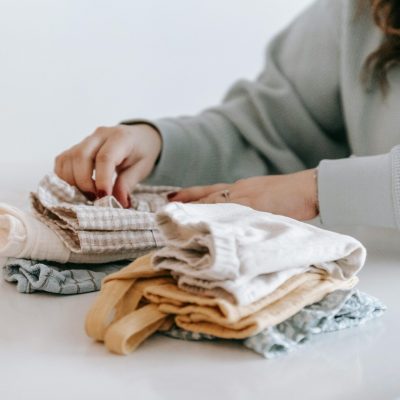
Tasks stretch across days now. Laundry is folded when it can be. Projects are broken into pieces. Rest is woven into the day instead of postponed until the end.
Unfinished does not mean undone. It means ongoing. It means human.
Redefining What a “Good Day” Looks Like
When energy is limited, success has to be redefined. A good day might mean:
- Everyone is fed
- There was a moment of connection
- I listened to my body instead of fighting it
- I rested before burnout arrived
Some days, simply staying regulated is the accomplishment. And that matters more than crossing items off a list.
The Emotional Labor of Being Low Energy
There is emotional weight in watching others do more. Comparison creeps in quietly. It shows up as self-doubt, envy, and the feeling of being behind.
Learning to live with low energy has required letting go of the need to explain myself. My pace doesn’t need justification. My boundaries don’t need approval.
Motherhood is not a competition. It’s a relationship.
What Children Learn From a Slower Mother
One of the most surprising gifts of low-energy motherhood is what it models. Children learn:
- That bodies deserve respect
- That rest is not a reward
- That care can be gentle
- That life doesn’t have to be rushed to be meaningful
They learn that worth is not tied to productivity — a lesson many of us are still trying to unlearn.
Choosing Sustainability Over Performance
Low-energy motherhood forces a long view. Pushing through may work once or twice, but it always costs more in the end. Sustainability becomes the guiding value.
This means fewer commitments. Fewer expectations. A life designed around capacity rather than pressure. It means choosing what can be done consistently over what looks impressive temporarily.
A Quiet Kind of Strength
There is strength in living honestly within your limits. There is courage in resisting narratives that tell you to push harder, try more, or be different.
Motherhood and homemaking as a low-energy person are not lesser versions of either. They are simply shaped by reality — and reality deserves respect.
I no longer measure my success by how much I do. I measure it by how well I care — for my child, my home, and myself.
And that, I’ve learned, is more than enough.
Let’s stay in touch
Get cozy home ideas and gardening inspiration sent straigh to your inbox once a month.