
Mothering With Chronic Pain
Chronic pain has a way of shrinking the world down to what hurts, what’s difficult, what feels impossible. And yet, motherhood asks for attention, connection, and care — often at the exact moments when your body feels least capable of giving them.
For a long time, I believed this meant I was failing at being present. What I’ve slowly learned instead is that presence doesn’t look the way we’re taught to expect it to.
Mothering with chronic pain is not about ignoring the pain, but giving yourself the grace and gentleness your body needs, so connection and attention is possible, even in stillness.

Living in a Body That Interrupts You
Chronic pain is not dramatic. It’s persistent. It hums in the background of ordinary days and flares at the most inconvenient times. It interrupts plans, energy, focus, and patience — not once, but repeatedly.
Motherhood doesn’t pause for pain. Children still need to be fed, comforted, listened to, and cared for. For a long time, I felt like my body was an obstacle to the kind of mother I thought I would be. Every limitation felt like a shortcoming.
What I didn’t understand then was that chronic pain doesn’t make presence impossible — it just makes it different. Difference from what you may think societal expectations are.
The Myth of Energetic Presence
We’re often shown a version of presence that looks active and animated. Sitting on the floor for long stretches. Constant engagement. Endless energy for play, outings, and attention.
Chronic pain can make that version unrealistic. And when that’s the only image we see on social media, it’s easy to feel like we’re falling short.
But presence isn’t measured by movement or enthusiasm. It’s measured by moments of undivided attention. By responsiveness. By emotional availability — even when the body needs to be still.
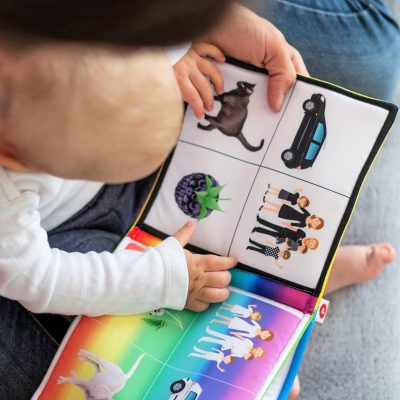
I had to learn that lying down next to my child, listening, watching, and responding still counted. That quiet companionship was not a lesser form of mothering. Plus, it’s still possible to play with toys, read a book, or hold on to a pile of stuffed animals while laying on the floor(speaking from experience here.)
Grieving the Motherhood You Imagined
There is real grief in realizing your body cannot support the motherhood you once envisioned. Guilt is one of the heaviest companions of chronic pain. Guilt for resting. Guilt for canceling plans. Guilt for needing help. Guilt for not doing more.
That grief doesn’t disappear just because I’ve accepted my reality. It comes and goes. Some days I almost forget. Other days it feels like a hand closing around my heart. I imagined myself more capable, more physically involved, more resilient. The “fun mom” if you must.
Acknowledging that grief and shifting how you show up doesn’t mean you love your child any less. It means you’re honest — and honesty is a form of care your whole family will benefit from.
I promise you that through repetition of caring for your body and letting go of what you thought motherhood would look like, your grief won’t feel so heavy. Your family will fall into new rhythms and even learn their own self-care in the process.

Presence Without Pushing Through
One of the hardest lessons chronic pain has taught me is that pushing through often steals more than it gives. When I override my body’s signals, I don’t become more present — I become more irritable, more exhausted, more in pain, and more disconnected.
Staying present with pain requires listening instead of resisting. It means adjusting expectations in real time. It means choosing slowness and calm over strain when possible.
Sometimes presence looks like sitting quietly together reading books. Sometimes it’s a watchful presence instead of participating. Sometimes it’s saying, “I need to rest right now,” and trusting that this honesty teaches something valuable. Trust me, kids understand more than we may think sometimes.
I lay on my daughter’s bedroom floor most days while she plays. Sometimes I interact, sometimes I don’t. She has come to understand this is how mama plays. And just to reassure you some more, she will come give me a hug or lay on me whether I ask her to or not.
A Slower, Softer Form of Connection
Mothering with chronic pain often strips life down to its essentials. There’s less room for excess activity and more space for small, steady moments.
I’ve found connection in:
- Familiar rhythms
- Quiet proximity
- Slow play
These moments may not look impressive, but they are deeply regulating — for both parent and child.
Children don’t need constant entertainment. They need to feel seen, safe, and emotionally held. Chronic pain, when met with honesty and gentleness, doesn’t prevent that.
What Children Learn From This Kind of Mothering
One of the most meaningful realizations I’ve had is that children learn far more from how we live than from what we do.
When a child grows up with a parent who lives with chronic pain, they learn:
- That bodies deserve respect
- That limits are normal
- That care includes rest
- That love doesn’t require constant output
They learn empathy. Patience. Attunement. These lessons are not secondary — they are foundational.
Designing Life Around What’s Possible
Chronic pain forces long-term thinking. Short bursts of pushing through might work occasionally, but they aren’t sustainable.
Mothering with pain means designing days, routines, and expectations around what is possible most of the time — not what’s possible on a rare good day.
This might mean:
- Fewer commitments
- More predictable rhythms
- A home that supports rest
- Letting go of external pressure
This isn’t giving up. It’s choosing endurance over exhaustion. You don’t have to feel good to be connected. You don’t have to be pain-free to be loving.
A Quiet, Honest Kind of Love
There is a quiet strength in showing up honestly. In naming pain without letting it define the relationship. In choosing gentleness over force.
This kind of mothering may not look impressive from the outside. But it is steady. It is real. And it is deeply loving.
Chronic pain may shape the way motherhood looks — but it does not diminish its value. Staying present isn’t about doing more.
It’s about staying — even when staying is hard. And that, in itself, is an act of love. Be gentle with yourself and your family. Love will follow even without high energy connection.
Let’s stay in touch
Get cozy home ideas and gardening inspiration sent straight to your inbox once a month.